


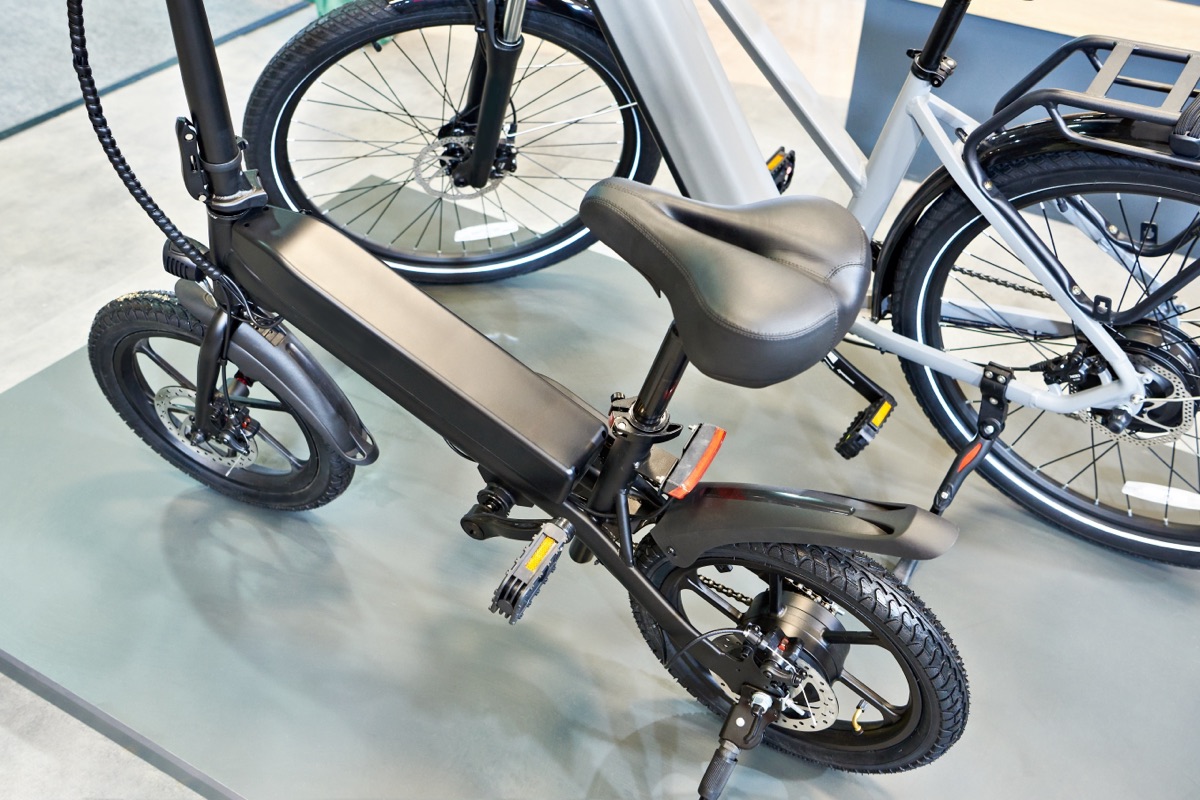
If you were hurt on an electric bike in Texas, your claim is not the same as a standard bicycle accident claim. Texas law treats e-bikes as bicycles for most purposes, but the motor changes the math. Higher speeds, heavier frames, complex electronics, and tougher insurance questions all push e-bike cases into their own category. This guide breaks down exactly how e-bike accident claims differ from regular bicycle accidents, what that means for your compensation, and how a board-certified bicycle accident attorney approaches these cases across the state.
Cyclist at Law is led by Bill Shirer, a board-certified personal injury attorney with more than 35 years of trial experience and the highest (AV) peer rating from Martindale-Hubbell. He is also a lifelong cyclist who has logged more than 100,000 miles, so he understands these cases from both the courtroom and the saddle.
E-bike accident claims in Texas are handled under bicycle law, yet they differ from regular bicycle accidents in several ways that affect compensation. E-bikes travel faster and weigh more, so injuries and property damage tend to be greater. Claims may add a product-liability avenue against the manufacturer, insurance coverage is more complex, and a modified or high-powered e-bike can be reclassified as a motor vehicle. The standard filing deadline is two years, but claims against a city for a road defect can require notice in as little as 45 to 90 days.
How Texas Classifies E-Bikes (and Why It Matters)
Under the Texas Transportation Code, an electric bicycle has working pedals and a motor rated under 750 watts. E-bikes are sorted into three classes, and the class controls where you can ride and how fault may be argued later:
- Class 1: Pedal-assist only. The motor stops helping at 20 mph. No age restriction.
- Class 2: Throttle-assisted, so the motor can move the bike without pedaling, capped at 20 mph. No age restriction.
- Class 3: Pedal-assist up to 28 mph. Riders must be at least 15 years old in Texas.
Because a true e-bike is legally a bicycle, riders generally have the same rights and duties as any cyclist, and the Texas rules of the road for bicycles apply. E-bikes do not require a license, registration, or special insurance. That shared status is exactly why insurers fight so hard to argue an e-bike was something other than a bicycle, which we cover below.
E-Bike Claims vs. Regular Bicycle Claims: The Key Differences
Here is the side-by-side that most Texas resources leave out. Each row reflects a real point where an e-bike claim diverges from a standard bicycle claim.
| Factor | Regular Bicycle Claim | E-Bike Claim |
|---|---|---|
| Legal classification | Always a bicycle | Bicycle if compliant, but can be reclassified as a moped or motor vehicle if modified or over 750W |
| Typical speed | 8 to 15 mph | 20 to 28 mph, which changes how the crash unfolds and how fault is argued |
| Injury severity | Serious but lower energy | Higher impact forces, more severe injuries are common |
| Liability sources | Driver, road owner | Driver, road owner, and often the e-bike or battery manufacturer |
| Insurance questions | Usually straightforward | Homeowner or renter policies may exclude e-bikes; adjusters may push motor-vehicle treatment |
| Property damage | Lower value bicycle | Far higher value, which raises the property-damage portion of the claim |
| Evidence | Witnesses, scene photos | Adds controller and display speed data, plus battery and component analysis |
The Reclassification Trap: When Your E-Bike Is Not a Bicycle
This is the difference that catches the most riders off guard. If your e-bike was modified, fitted with an aftermarket throttle, or capable of more than 750 watts or speeds above 28 mph, it may no longer qualify as an e-bike under Texas law. At that point it can be treated as a moped or motor vehicle, which may require registration, a license, and insurance. Insurance adjusters know this, and they use it to argue that the rider broke the rules or belonged in a different legal category, which can reduce or defeat a claim. Documenting your bike's class, wattage, and factory specifications early is one of the most important steps in an e-bike case.
Insurance Coverage Is More Complicated
On a standard bicycle, coverage questions are usually simple. With an e-bike, several issues stack up. Many homeowner and renter policies that would cover a regular bicycle exclude motorized e-bikes, especially higher-powered models. Some insurers try to treat the e-bike as a motor vehicle to shift the claim into a different coverage box. The good news that most articles miss: your own auto insurance can often help even though you were on a bike. Texas drivers who carry uninsured and underinsured motorist coverage or personal injury protection may be able to use it after an e-bike crash. We explain this in detail in our guide on how your auto insurance covers you in a bike accident.
E-Bike Claims Can Add a Product Liability Case
A regular bicycle crash is almost always a negligence claim against a driver or a property owner. An e-bike crash can add a second, separate avenue: product liability. Defective batteries, faulty wiring, sudden motor shutoffs, and brake failures can cause or worsen a crash. Lithium-ion battery fires are a documented and growing hazard, and the U.S. Consumer Product Safety Commission regularly issues e-bike recalls. When a defect contributed to the crash or the injuries, the manufacturer, distributor, or retailer may be held strictly liable, which can open an additional source of compensation that simply does not exist in most pedal-bike cases.
Speed, Severity, and the Evidence That Comes With It
Because e-bikes move faster and weigh more, collisions happen with greater force. A driver who expects a cyclist at 10 mph may pull out in front of an e-bike traveling at 25 mph, and the resulting injuries are frequently severe, including fractures, head trauma, and spinal injuries. That same speed changes the evidence in your claim. The defense often raises the classic line that the rider came out of nowhere, and e-bike cases may turn on data pulled from the bike's controller or display, on accident reconstruction, and on the timing of the driver's actions. Building this proof early is central to overcoming a comparative-fault argument.
Property Damage Is a Bigger Piece of the Puzzle
A quality e-bike is worth substantially more than a standard bicycle, so the property-damage component of an e-bike claim is materially larger and deserves close attention. Battery packs, motors, and electronic systems are expensive to repair or replace. We walk through how this is valued and pursued in our overview of how damage to your bike is handled.
Hurt on an e-bike in Texas?
Get a clear read on your options from an attorney who rides. Call Cyclist at Law at 972-392-1249 for a no-pressure case review.
Who Can Be Held Liable in a Texas E-Bike Accident?
E-bike cases often involve more potential defendants than a standard bicycle crash. Depending on the facts, liability may rest with one or more of the following:
- A negligent driver who failed to yield, ran a light, turned without looking, or opened a door into your path.
- The e-bike, battery, or component manufacturer if a defect caused or worsened the crash.
- A retailer or repair shop that sold or serviced a defective or improperly assembled bike.
- A government entity responsible for a dangerous road or trail, such as a pothole, missing signage, or defective design.
- Another cyclist or a pedestrian whose conduct contributed to the collision.
When a road defect is involved, see our breakdown of roadway defect claims for cyclists. If you were hurt on a public trail, the Texas recreational use statute can change what you must prove.
Comparative Fault, Helmets, and the 51% Bar
Texas follows modified comparative fault. More than one party can share responsibility, and your compensation is reduced by your percentage of fault. If you are found more than 50 percent at fault, you recover nothing, which is why insurers work so hard to shift blame onto the rider. In e-bike cases that pressure is intense because adjusters lean on speed and classification arguments.
Helmets add a Texas-specific wrinkle. There is no statewide helmet law for adults, although some local ordinances apply and Class 3 riders must be at least 15. Not wearing a helmet does not bar your claim, but the defense may try to use it to argue your injuries were partly your own doing. None of these arguments are the last word, and an experienced advocate can push back on each one.
Deadlines That Can Quietly End Your Claim
Most Texas personal injury claims, including e-bike cases, fall under a two-year statute of limitations measured from the date of the crash (Texas Civil Practice and Remedies Code Section 16.003). Miss it, and the courthouse door usually closes for good.
Critical for road-defect cases: if a city or county is responsible for the hazard that caused your crash, the Texas Tort Claims Act requires formal written notice long before the two-year mark. The state default is six months, and many cities require notice in as little as 45 to 90 days through their charters. Statutory caps also limit recovery against government entities. These short windows can bar an otherwise strong claim, so act quickly when public property is involved.
E-Bike Crashes Across Texas: Local Context
E-bikes have surged on roads and trails in every major Texas metro, and each region brings its own hazards. In Dallas and Fort Worth, fast suburban arterials and mixed-use trails put riders alongside heavy traffic. In Austin, dense bike lanes and a large commuter-cyclist population mean frequent driver interactions. In Houston, wide multi-lane roads and dooring risk near dense corridors are common. In San Antonio, growing greenway networks intersect with busy streets. Cyclist at Law represents injured riders statewide, so the firm brings local knowledge of how courts, cities, and insurers handle these claims wherever you ride. Whether you were hit in Dallas, Austin, Houston, or Fort Worth, the same focused approach applies.
When to Call Cyclist at Law
E-bike claims reward early, specialized work: preserving the bike and its data, identifying every liable party, sorting out which insurance policies apply, and meeting tight government deadlines. Bill Shirer focuses his practice on bicycle and e-bike claims, brings more than 35 years of trial experience and an AV peer rating, and handles cases on a contingency basis, which means there is no fee unless he recovers for you. You can learn more about Bill or read why injured riders across Texas trust Cyclist at Law for bicycle injury claims.
Talk to an E-Bike Accident Attorney Today
Injured on an e-bike anywhere in Texas? Cyclist at Law can review your crash, explain how the rules differ for electric bikes, and protect your claim before the deadlines run. Bill Shirer is board-certified, AV-rated, and a lifelong cyclist who knows what is at stake.
Call 972-392-1249 now, or contact us online to start your free, no-obligation case review. There is no fee unless we win.
Frequently Asked Questions (FAQs)
Are e-bikes considered bicycles or motor vehicles in Texas?
A compliant e-bike (pedals, a motor under 750 watts, and a top assisted speed of 28 mph or less) is treated as a bicycle under Texas law. It does not need a license, registration, or special insurance. A modified or higher-powered unit can lose that status and be treated as a moped or motor vehicle.
How is an e-bike accident claim different from a regular bicycle accident claim?
E-bikes travel faster and weigh more, so injuries and property damage are usually greater. Claims can add a product-liability case against the manufacturer, insurance coverage is more complex, evidence may include the bike's speed data, and a modified bike can be reclassified, all of which affect compensation.
Can I file a claim if my own e-bike was defective?
Yes. If a defective battery, motor, brake, or wiring caused or worsened your crash, you may have a product-liability claim against the manufacturer, distributor, or retailer. These claims can exist alongside a negligence claim against an at-fault driver.
Does my car insurance cover me if I am hit while riding an e-bike in Texas?
It often can. Uninsured/underinsured motorist coverage and personal injury protection on your own auto policy may apply after an e-bike crash even though you were not in a car, especially if the driver who hit you was uninsured or underinsured.
What is the deadline to file an e-bike accident claim in Texas?
The general deadline is two years from the date of the crash. If a city or county is responsible for a road or trail defect, you may have to give formal notice much sooner, in some cities within 45 to 90 days, so it is important to act quickly.
Does not wearing a helmet hurt my e-bike accident claim in Texas?
Texas has no statewide adult helmet law, and not wearing one does not bar your claim. However, the defense may argue it contributed to your injuries. An experienced attorney can counter that argument and protect your recovery.
Who can be held liable for an e-bike accident in Texas?
Depending on the facts, a negligent driver, the e-bike or battery manufacturer, a retailer or repair shop, a government entity responsible for a road or trail defect, or another road user could be liable. E-bike cases often involve more than one responsible party.
What if a pothole or road defect caused my e-bike crash?
You may have a claim against the government entity responsible for maintaining that road or trail. These cases carry short notice deadlines and statutory limits, so prompt action and documentation are essential.
Will a modified or high-powered e-bike affect my claim?
It can. If your bike exceeds 750 watts or 28 mph or was modified, it may not qualify as an e-bike, and insurers may argue it should have been registered and insured like a motor vehicle. Preserving the bike's specifications early helps protect your claim.
How much does it cost to hire an e-bike accident lawyer?
Cyclist at Law handles e-bike and bicycle injury cases on a contingency basis. That means there are no upfront fees, and you pay nothing unless a recovery is obtained on your behalf. Your initial case review is free.